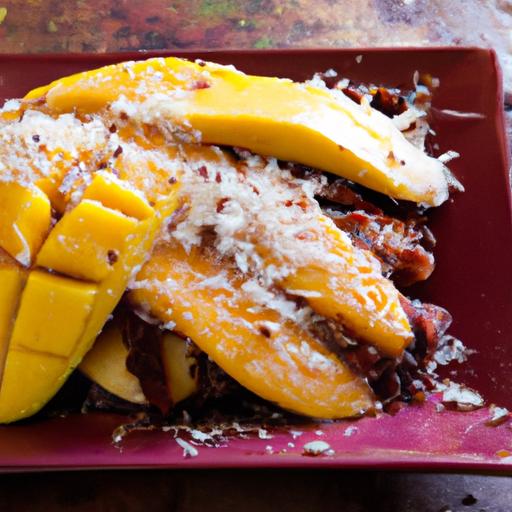

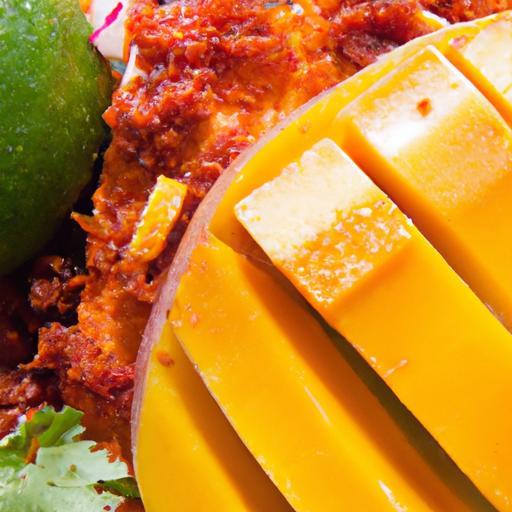
bursting with color, flavor, and history, Mexican mangoes are more than just a tropical treat-they are a living testament to centuries of culture and tradition. From the sun-drenched orchards of Oaxaca to the bustling markets of Guerrero, these golden jewels captivate taste buds and connect communities. In this article, we journey into the vibrant world of Mexican mangoes, exploring their rich heritage, diverse varieties, and the unique flavors that have made them a beloved symbol of Mexico’s fertile land and enduring spirit. Join us as we peel back the layers of this extraordinary fruit and savor the story behind every succulent bite.
the Vibrant World of Mexican Mangoes begins with centuries-old traditions that have shaped not only the fruit itself but also the culture and cuisine surrounding it. Mexican mango cultivation dates back to indigenous peoples who carefully nurtured native varieties long before Spanish colonization brought new techniques and grafting methods. Today, the contry thrives as one of the world’s greatest producers of mangoes, celebrated for its diverse regional varieties, each bursting with characteristic colors, textures, and flavors.
Prep and Cook Time
- planning Time: 15 minutes
- Cooking Time: 10 minutes (optional, for sautéed dishes)
Yield
Serves 4 as a fresh appetizer or snack
Difficulty Level
Easy – Perfect for both beginners and seasoned cooks excited to showcase Mexican mangoes
Ingredients
- 3 ripe Mexican mangoes (preferably Ataulfo or Haden variety), peeled and diced
- 1 small red chili, finely sliced (optional, to add a hint of heat)
- 2 tablespoons fresh lime juice
- 1 tablespoon honey or agave syrup, for a natural sweetness
- 1/4 cup fresh cilantro, chopped
- 1/2 teaspoon smoked paprika
- Salt, to taste
- Freshly cracked black pepper, to taste
- 1 tablespoon extra-virgin olive oil (optional, for sautéing or drizzling)
Instructions
- Prepare the mangoes: Carefully peel and dice the mangoes into bite-sized cubes, capturing their bright golden flesh.Use a sharp knife to avoid bruising.
- Mix the dressing: In a small bowl, whisk together lime juice, honey, smoked paprika, salt, and freshly cracked black pepper.
- Combine the mango and chili: Gently fold the diced mangoes and finely sliced red chili into the dressing, ensuring each piece is lightly coated for a burst of balanced flavor.
- Add herbs: Stir in the chopped fresh cilantro, which will add an herby brightness reflecting the heart of Mexican cuisine.
- Optional sauté (for a warm variation): Heat the olive oil in a skillet over medium heat. Add the dressed mango mixture and sauté gently for 5-7 minutes until mango edges caramelize, stirring occasionally but carefully to maintain some texture.
- Chill or serve instantly: For a refreshing salad, refrigerate for 15 minutes before serving. For a warm indulgent appetizer, serve immediately with a drizzle of olive oil for shine.
Tips for Success
- Variety matters: Ataulfo mangoes offer buttery sweetness and a smooth texture – excellent for raw dishes – while Haden or Tommy Atkins provide more firmness and complex tartness, lending themselves well to sautéing.
- Adjust spice levels: Omit the chili if you prefer a sweeter palate, or add a pinch of cayenne for a smoky heat punch.
- Make ahead: This mango preparation can be refrigerated for up to 2 hours. Avoid too long to maintain freshness and texture.
- For extra crunch: Sprinkle toasted pepitas or chopped roasted almonds on top just before serving.
- Substitutions: If fresh cilantro isn’t available, substitute with fresh mint or flat-leaf parsley for a different aromatic profile.
Serving Suggestions
Serve this vibrant mango dish in colorful ceramic bowls to enhance its golden hues, making it as delightful to the eye as it is indeed to the palate. Its perfect alongside grilled seafood or chicken, but equally divine enjoyed solo as a refreshing starter or light dessert. Garnish with thin lime wedges, extra fresh cilantro, and a light sprinkle of flaky sea salt to elevate every bite.For a casual twist,spoon it atop crunchy tostadas or folded into soft corn tortillas with a drizzle of creamy avocado crema.

Nutritional Information
| Nutrition | Per Serving |
|---|---|
| Calories | 110 |
| Protein | 1.2g |
| Carbohydrates | 28g |
| Fat | 1.5g |
| Fiber | 3g |
For more on the varied fruits of Mexico,explore our in-depth guide to Mexico’s regional produce. Discover additional tips on selecting the best mangoes with the Mexican Ministry of Agriculture’s official website.
Q&A
Q&A: The Vibrant World of Mexican Mangoes: Flavor and Heritage
Q1: What makes Mexican mangoes stand out in the global fruit market?
A1: Mexican mangoes captivate with their unbelievable diversity, boasting over 30 distinct varieties. Each type offers a unique combination of sweetness, acidity, and aroma, reflecting the country’s rich climate and soil. Their vibrant colors and juicy flesh have made them a beloved treasure not only in Mexico but around the world.
Q2: how has the cultivation of mangoes shaped Mexican culture?
A2: Mango cultivation in mexico dates back centuries and is deeply intertwined with local traditions. From small family orchards to expansive plantations, mango farming supports communities and inspires festivals celebrating the harvest season. Mangoes symbolize abundance and joy, often featuring in folklore, music, and festive gatherings.
Q3: Which Mexican regions are best known for mango production, and why?
A3: Coastal regions such as Sinaloa, Nayarit, and Chiapas are renowned for their mango production.The combination of warm temperatures, ample sunshine, and nutrient-rich soil creates ideal growing conditions.These areas have perfected harvesting techniques passed down through generations, ensuring top-quality fruit with vibrant flavor profiles.Q4: Can you describe the flavor profile typical of Mexican mangoes?
A4: Mexican mangoes often balance luscious sweetness with a hint of bright acidity, creating a dance of flavors on the palate. Depending on the variety, notes can range from tropical peach and citrus to subtle floral undertones. Their texture varies from creamy and smooth to slightly fibrous, catering to diverse tastes.
Q5: How are mangoes traditionally enjoyed in Mexican cuisine beyond the fresh fruit?
A5: In Mexico, mangoes are celebrated in manny forms-from tangy mango salsas that enliven dishes to refreshing aguas frescas and zesty pickled mango snacks. They also star in desserts like mango flan and vibrant fruit salads.The fruit’s versatility allows it to complement sweet, spicy, and savory flavors alike.
Q6: What cultural significance does the mango hold for Mexican communities?
A6: Beyond nutrition, the mango embodies celebration and connection. Harvest time is often marked by local fairs and culinary competitions, where mango dishes highlight regional identities. Sharing mangoes has become a symbol of hospitality and friendship, making the fruit a bridge between generations and neighborhoods.
Q7: How is the sustainability of mango farming addressed in mexico?
A7: Many Mexican farmers are adopting eco-friendly practices such as integrated pest management, water conservation, and organic fertilization. These methods aim to protect the environment while maintaining vibrant mango groves. Sustainable initiatives also focus on fair labor conditions, preserving the livelihoods of those who nurture this cherished fruit.Q8: What should someone new to Mexican mangoes look for when choosing the perfect fruit?
A8: Look for mangoes with rich color and a slight give when gently pressed, indicating ripeness without overripeness. A sweet, fragrant aroma near the stem is a good sign of flavor. Avoid fruits with blemishes or hard spots. Each variety has its own ripening cues,so exploring different types offers a flavorful adventure.
Q9: How do Mexican mango festivals celebrate this iconic fruit?
A9: Mango festivals bring communities together with vibrant parades,tastings,cooking demonstrations,and artisanal markets. These lively events showcase the fruit’s cultural and economic importance while inviting visitors to sample traditional recipes and innovative mango creations. Music, dance, and storytelling add a colorful backdrop to the celebrations.
Q10: Why is the mango considered a symbol of Mexican heritage?
A10: The mango’s journey through Mexican history-from indigenous cultivation to modern export-is a testament to the country’s rich agricultural heritage and cultural diversity.It represents resilience, flavor, and festivity, echoing the spirit of Mexico itself. Celebrating mangoes is celebrating a living chapter of Mexico’s story.
To Wrap It Up
As we peel back the layers of Mexico’s mango heritage, it becomes clear that these golden fruits are much more than just a sweet treat-they are a living tapestry of culture, tradition, and flavor. From sun-drenched orchards to bustling markets, Mexican mangoes carry stories of rich soil, passionate farmers, and generations of culinary artistry. Whether enjoyed fresh, blended into a zesty agua fresca, or folded into a spicy salsa, each bite invites us to savor not only the vibrant taste but also the enduring spirit of a nation.in the world of mangoes, Mexico stands proudly as a colorful mosaic of flavor and heritage-an invitation to explore, celebrate, and relish the fruits of its timeless craft.