
Beneath the glossy sheen of avocado and the subtle crunch of cucumber lies a story as layered and intriguing as the California roll itself. More than just a sushi staple beloved around the globe, the California roll is a culinary bridge-melding East and West, tradition and innovation, simplicity and surprise. In this article, we’ll unwrap the origins of this iconic dish, tease apart its essential ingredients, and explore how it transformed sushi from a niche delicacy into a mainstream sensation. Join us as we peel back the nori and dive deep into the tale of the California roll, a true emblem of cultural fusion on a plate.
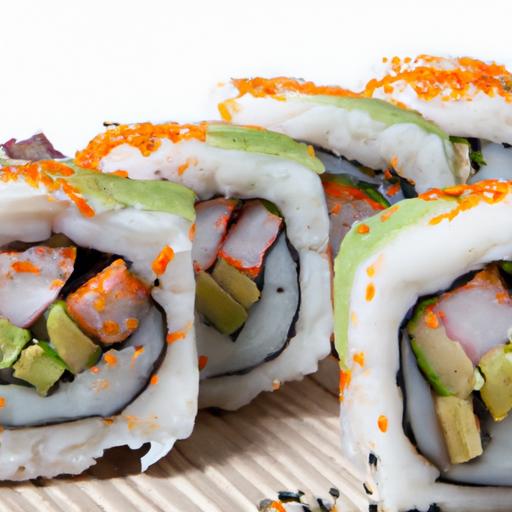
California Roll Unwrapped reveals not just a dish but a story of innovation and cross-cultural culinary artistry. Emerging in the 1960s and ’70s,this iconic sushi creation transformed Western palates’ relationship with Japanese cuisine,blending familiar ingredients into a harmonious and approachable roll. Crafted initially to cater to American tastes, the California Roll’s blend of creamy avocado, sweet crab, and tangy rice wrapped in seaweed captures a delicate balance that’s both fresh and indulgent. Whether you’re a seasoned sushi enthusiast or a curious kitchen adventurer,diving into the methodical process of making the California Roll is as satisfying as savoring each bite.
prep and Cook Time
- Readiness: 30 minutes
- Cook Time: 15 minutes (rice preparation)
- Total Time: 45 minutes
Yield
Makes 4 rolls (serves 4)
Difficulty Level
Medium – Ideal for home cooks with some experience handling sushi rice and rolling techniques
Ingredients
- 2 cups sushi rice (short-grain, rinsed until water runs clear)
- 2 1/2 cups water
- 1/4 cup rice vinegar
- 2 tbsp sugar
- 1 tsp salt
- 4 sheets nori (seaweed)
- 8 oz imitation crab meat or real crab sticks, shredded
- 1 large ripe avocado, sliced thin
- 1 cucumber, julienned, seeds removed
- 2 tbsp toasted sesame seeds
- Soy sauce, pickled ginger, and wasabi for serving
- Bamboo sushi rolling mat (wrapped in plastic wrap for hygiene)
Instructions
- Prepare the sushi rice: rinse the sushi rice under cold water until clear. Combine rice and water in a rice cooker or pot and cook according to package instructions. Once cooked, transfer rice to a wide bowl.
- Season the rice: In a small saucepan, heat rice vinegar, sugar, and salt over low heat until dissolved.Gently fold this mixture into the warm rice using a wooden spatula. Allow to cool to room temperature covered with a damp cloth.
- Prepare fillings: Thinly slice avocado and julienne the cucumber. Shred the crab meat into bite-sized pieces.
- Assemble the roll: Lay a bamboo mat flat, place a nori sheet shiny side down on the mat. With wet fingers, evenly spread a thin layer of rice over the nori, leaving a 1-inch border at the top edge.
- Flip the nori: Carefully flip the sheet so rice faces down on the bamboo mat. This ensures the rice stays on the outside of the roll,characteristic of the California Roll.
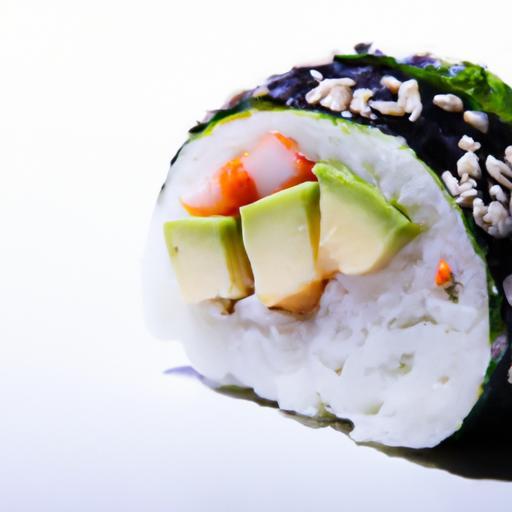
- Add fillings: On the nori’s exposed side, line crab, cucumber, and avocado in a neat row closest to you.
- Roll it up: Using the bamboo mat, roll the nori tightly over the fillings. Apply gentle yet firm pressure to maintain shape.
- Coat with sesame seeds: Lightly sprinkle toasted sesame seeds onto the outside of the roll.
- Slice: Using a sharp, wet knife, cut each roll into 6 to 8 equal pieces. Clean knife with a wet cloth between cuts for smooth slices.
- Serve: Present with soy sauce, pickled ginger, and wasabi on the side.
Tips for Success
- Use sushi rice: Its stickiness is vital for holding the roll together.
- Keep your hands wet: This prevents rice from sticking while spreading.
- Choose ripe avocado: It adds buttery smoothness that complements the crab’s texture.
- Practice rolling: Start gently but firmly; the right pressure is key to avoiding a loose roll.
- Make ahead: Sushi rolls are best enjoyed fresh but can be refrigerated in a covered container for up to 24 hours.
Serving Suggestions
Elevate the California Roll experience by plating on sleek sushi platters with a drizzle of spicy mayo or unagi sauce. Garnish with finely chopped scallions, thin strips of toasted nori, or edible flowers for a sophisticated touch. Serve alongside chilled sake or a crisp Japanese lager to cleanse the palate between bites.
| Nutrition (per serving) | Calories | Protein | carbs | Fat |
|---|---|---|---|---|
| California Roll (2 pieces) | 140 kcal | 6 g | 22 g | 3 g |
Explore more sushi techniques and recipes here to deepen your appreciation and skills. For further background on sushi history and etiquette, visit the national Geographic’s authoritative piece.

Q&A
Q&A: California Roll Unwrapped – Origins, Ingredients, and Impact
Q1: What exactly is a California roll?
A1: at its core, the California roll is a type of sushi roll (maki) that flips traditional Japanese sushi on its head.Instead of raw fish front and center, it showcases cooked crab (or imitation crab), creamy avocado, and crisp cucumber, all wrapped in seaweed (nori) and sushi rice – often with the rice on the outside, a style called uramaki. It’s a delicious gateway sushi, beloved across the globe.
Q2: Where and when did the California roll originate?
A2: The California roll’s birthplace is a bit of a culinary mystery, but most credit goes to inventive sushi chefs in Southern California during the 1960s or early 1970s. As sushi grew in popularity but raw fish was intimidating to many Americans, chefs like Ichiro mashita in Los Angeles and Hidekazu Tojo in Vancouver are often mentioned as pioneers who crafted this roll to appeal to local tastes – blending Japanese technique with Californian ingredients and sensibilities.
Q3: Why is it called the “California” roll?
A3: The name nods to its star ingredients-avocado, cucumber, and crab meat-which weren’t traditionally associated with Japanese sushi but were abundant and iconic in California cuisine. Avocado, in particular, became the green heart of the roll, symbolizing the freshness and vibrancy of the Golden State.
Q4: What makes the California roll so unique compared to traditional sushi?
A4: Traditional sushi often spotlights raw fish and minimalist flavors, whereas the California roll is a flavor fusion designed to be approachable and familiar. It introduces creamy avocado and sweet crab with a crunchy cucumber twist, then turns sushi conventions upside down by placing the rice outside the nori to keep the seaweed hidden for those less accustomed to its texture.
Q5: How did the California roll impact sushi culture in America and beyond?
A5: The California roll was revolutionary-it lowered sushi’s barrier to entry for Western palates,effectively acting as ambassador between sushi tradition and popular taste. Its success helped transform sushi from niche exotic fare into a mainstream culinary phenomenon,opening doors for countless other fusion rolls and creative adaptations worldwide.
Q6: Are there variations of the California roll?
A6: Absolutely! From spicy versions with added sriracha or mayo to rolls featuring real crab rather of imitation, cucumbers swapped for radish sprouts, or sprinkled with sesame seeds and tobiko (fish roe). Some even incorporate tempura flakes for crunch.Each variant reflects the creative spirit that the original roll inspired.
Q7: can the California roll be considered authentic Japanese sushi?
A7: This is a delicious debate. Purists might argue it’s more “Japanese-inspired” than authentic as it incorporates non-traditional American ingredients and styles. Yet,sushi itself is a dynamic art form that has evolved over centuries and across regions. The California roll is a testament to sushi’s living legacy-melding cultures and palates into something new and exciting.
Q8: What can we learn from the story of the California roll?
A8: Beyond its taste, the California roll teaches us that culinary innovation thrives at cultural crossroads.It reminds us that traditions can be honored and reimagined, that food can bridge worlds, and that sometimes, the most unexpected combinations become timeless classics.
So next time you savor a California roll, you’re not just enjoying a tasty bite-you’re tasting a slice of cultural fusion history, wrapped in seaweed and rice.
Concluding Remarks
From its humble beginnings as a daring fusion experiment to its status as a beloved staple on menus worldwide, the California roll unwrapped tells a story far richer than just rice and seaweed. This iconic roll not only redefined sushi for Western palates but also opened doors to endless culinary creativity and cultural exchange.By understanding its origins, savoring its unique ingredients, and appreciating its global impact, we gain insight into how food can bridge traditions and tastes, transforming a simple dish into a symbol of innovation and connection. So next time you enjoy a California roll, remember you’re biting into a delicious slice of history that continues to inspire chefs and food lovers alike.