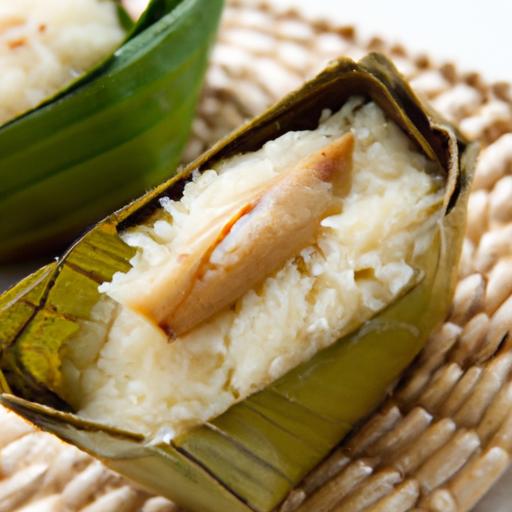

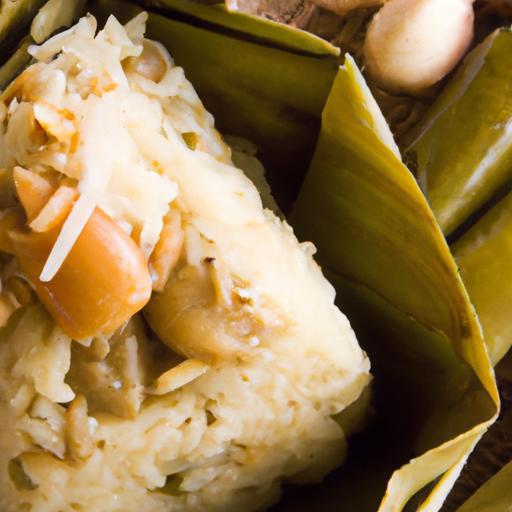
Beneath its humble exterior lies a culinary treasure that has captivated taste buds and hearts across generations-sticky rice. More than just a staple grain, sticky rice weaves together stories of culture, celebration, and craftsmanship in a way few foods can. In ”Sticky Rice Unwrapped: A Delicious Tradition explored,” we peel back the layers of this beloved dish to uncover the rich history, diverse preparations, and vibrant traditions that make sticky rice a delicious symbol of heritage. Join us as we journey beyond the sticky grains to discover the essence of a timeless tradition that continues to delight palates around the world.
Sticky Rice unwrapped reveals the rich tapestry of history, culture, and culinary artistry woven into every tender, glutinous grain enjoyed across Asia. From rural villages where families gather around steaming baskets of freshly cooked sticky rice to bustling city markets boasting vibrant street foods, sticky rice has been a staple and symbol of tradition for centuries. Its mildly sweet aroma and satisfyingly chewy texture reflect the heritage of countless cultures-each with distinct ways of preparing and savoring this beloved ingredient.
prep and Cook Time
- Preparation: 6-8 hours (including soaking time)
- Cooking: 20-30 minutes (steaming)
- Total Time: Approximately 7-8 hours
Yield
Serves 4-6 as a side or base for various dishes
Difficulty Level
Medium – requires patience and technique but very rewarding
Essential Ingredients for Perfect Sticky Rice
- 2 cups Thai or Lao glutinous sticky rice (also known as sweet rice)
- Water (for soaking and steaming)
- Optional: Banana leaves for wrapping during steaming
Step-by-Step Instructions for Flawless Sticky Rice
- rinse the sticky rice thoroughly in cold water until the water runs clear to remove excess starch, which ensures perfect texture.
- Soak the rice in ample cold water for 6-8 hours or overnight; this hydrates the grains thoroughly and prevents clumping.
- Prepare your steaming setup: Use a traditional bamboo basket lined with a clean kitchen towel or banana leaves for an authentic touch.
- Drain the soaked rice wholly and transfer it onto the steaming vessel. Spread it evenly for uniform cooking.
- Steam the rice over boiling water for 20-30 minutes. Halfway through, gently fluff the rice using a spatula to avoid uneven cooking and encourage fluffiness.
- Check texture: Properly cooked sticky rice should be tender, sticky, and slightly translucent-no hard core in the center.
- Once steamed, remove and cover the rice with a clean cloth for 5 minutes to allow it to settle before serving.
Chef’s Notes: tips for Success
- Rice Selection: Always use glutinous sticky rice; regular rice varieties won’t yield the characteristic chewiness.
- Soaking Time: Never skip soaking-even the best steaming can’t compensate for dry grains.
- Steaming Technique: Avoid boiling the rice directly in water, which makes it mushy; instead, the indirect steam cooks each grain perfectly.
- Storage: Leftover sticky rice can be refrigerated and reheated by steaming or microwaving with a damp cloth to retain moisture.
- Variations: Experiment with split coconut cream infusion or pandan leaf aroma for fragrant modern twists.
Serving Suggestions: The Perfect Culinary Canvas
Sticky rice’s neutral yet slightly sweet profile is a versatile foundation. Serve it alongside savory grilled meats like larb or sticky pork sausages, or pair with sweet mango and coconut milk-a celebrated Southeast Asian dessert. Garnish with toasted sesame seeds or crushed peanuts for delightful texture. For festival dining, mold the rice into compact balls or wraps, enhancing its portability and charm.

Top Regional Variations and Must-try Sticky Rice Recipes
- Khao Niao Mamuang (Thailand): Sweet sticky rice with ripe mango and coconut cream
- Laap Nah Sticky Rice (Laos): Sticky rice paired with spicy minced meat salad
- Bánh Chưng (Vietnam): Sticky rice cake wrapped in banana leaves traditionally enjoyed during Tet
- Tiánmǐ (China): Sweetened sticky rice dumplings often stuffed with red bean paste or sesame
- Mochi (Japan): Chewy sticky rice cakes that embrace both modern and traditional festivities
| Nutrient | Per 1 cup cooked sticky rice |
|---|---|
| Calories | 169 kcal |
| Protein | 3 grams |
| Carbohydrates | 37 grams |
| fat | 0.3 grams |
Discover more about rice varieties and cooking techniques in our extensive rice guide. For scientific insights on sticky rice chemistry, visit the ScienceDirect journal on glutinous rice starch.
Q&A
Q&A: Sticky Rice Unwrapped: A Delicious Tradition Explored
Q1: What makes sticky rice so special compared to other types of rice?
A1: Sticky rice, also known as glutinous rice, is celebrated for its unique texture-soft, chewy, and irresistibly clumping together. Unlike regular rice, its higher amylopectin content gives it that signature stickiness, making it perfect for hand-held eating and traditional dishes that call for a comforting, almost gluey bite.
Q2: Where does the tradition of sticky rice originate?
A2: Sticky rice has deep roots across many Asian cultures, notably in Southeast Asia-Thailand, Laos, vietnam, and parts of China, where it is indeed more than just food; it embodies community, celebration, and heritage. Historically, it was cultivated in regions with wet, rainy climates-ideal for growing this particular rice variety-and became intertwined with rituals and festivals.
Q3: Why is sticky rice frequently enough wrapped?
A3: Wrapping sticky rice is an art form that transforms a humble grain into a portable parcel of flavor and symbolism. Leaves-from banana to bamboo-serve as natural containers that infuse the rice with subtle aromas, keep it warm, and make it easy to share. Wrapping also preserves freshness and is an eco-pleasant packaging tradition passed down through generations.
Q4: How is sticky rice traditionally prepared and wrapped?
A4: Preparation typically involves soaking the rice for several hours, then steaming it to achieve that perfect sticky texture. The wrapping process is equally thoughtful: ingredients like coconut milk, beans, or sweet fillings are added, and the rice is carefully enveloped in leaves, then tied with natural fibers before steaming or grilling. Each fold and tie tells its own story.
Q5: What kinds of sticky rice dishes feature the wrapped tradition?
A5: From Lao ”Khao Tom” bundles to Thai ”Khao Tom Mat,” and Vietnamese “Bánh tét,” wrapped sticky rice can be savory or sweet. You might find pork, mung beans, or banana tucked inside savory parcels, or silky, sweet coconut-infused rice desserts cradled in radiant green leaves. These dishes highlight the region’s flavors while honoring age-old techniques.
Q6: Can sticky rice be enjoyed outside Southeast Asia?
A6: Absolutely! Sticky rice has journeyed far beyond its place of origin. global fusion cuisine celebrates it in sushi, desserts, and creative snacks. moreover, Asian communities worldwide continue to keep the tradition alive, sharing this luscious rice wrapped delicacy at cultural festivals and family gatherings, inviting everyone to taste a bite of history.Q7: What is the cultural significance of unwrapping sticky rice?
A7: The act of unwrapping sticky rice is a ritual of anticipation and connection. Peeling back the leaf reveals more than food-it unveils layers of cultural memory, family bonds, and a shared appreciation for craftsmanship. Each unwrap is an invitation to experience tradition, to slow down, and truly savor the flavors of heritage.
Q8: How can someone at home replicate the sticky rice wrapped experience?
A8: Start with authentic glutinous rice and give it a good soak. Experiment with fillings like coconut, pandan, or savory meats. If banana or lotus leaves aren’t readily available, parchment paper can substitute in a pinch.Steam the parcels gently and enjoy the sensory delight as you unwrap your homemade tradition. it’s a delicious journey worth embracing.
By exploring sticky rice wrapped, we unravel not just layers of leaf but centuries of history, culture, and culinary artistry-a tasty tradition that continues to glue hearts and communities together.
The Way Forward
As we peel back the layers of sticky rice-from its humble grains to the intricate rituals that surround it-we uncover not just a dish, but a vibrant tapestry of culture, history, and community. Sticky rice is more than food; it is a delicious tradition that binds generations and borders, inviting us all to savor its warmth and meaning. So next time you unwrap that glutinous treasure, remember: each bite carries a story waiting to be shared.