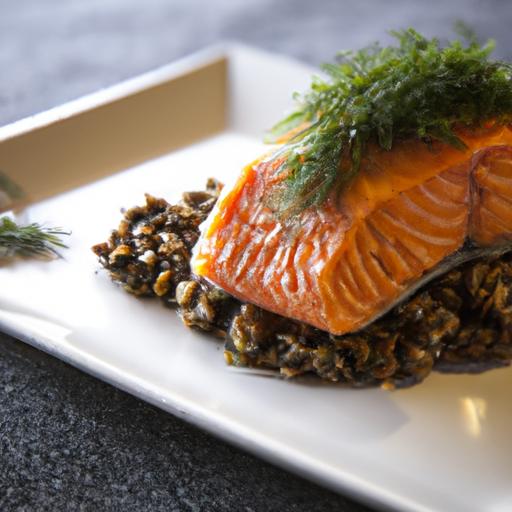

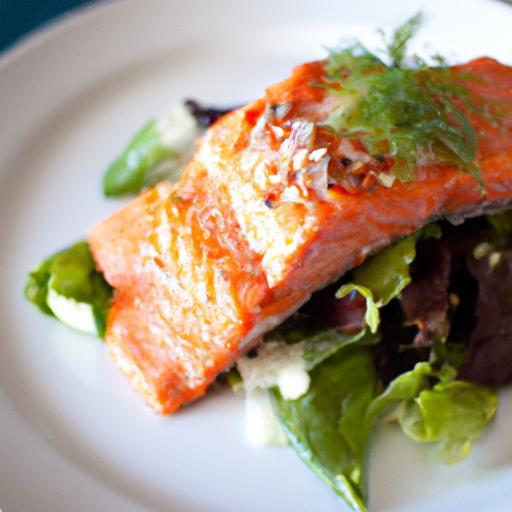
There’s something truly magical about a perfectly baked salmon-it’s tender, flaky flesh infused wiht layers of delicate flavors that seem to dance on the palate. Yet, achieving this culinary harmony can feel elusive, a balance of heat, timing, and seasoning that separates the home cook from the kitchen maestro. In “Unlocking Flavor: Mastering the Perfectly Baked Salmon,” we dive into the art and science behind this timeless dish, revealing expert tips and creative techniques to transform a simple fillet into a sensational centerpiece. Whether you’re a seasoned seafood lover or a curious beginner, prepare to elevate your salmon game and unlock a world of savory possibilities that will delight every bite.
Understanding Salmon Varieties and Selecting the Freshest Fillets
Unlocking flavor begins with choosing the perfect salmon, a key step toward mastering the perfectly baked salmon experience. Not all salmon is created equal-each variety offers unique tastes, textures, and colors that influence your final dish.
Wild-caught King (Chinook) salmon boasts the richest fat content and buttery texture, making it a luxurious choice for moist, flaky results. Coho is moderately fatty with a delicate sweetness, while Sockeye offers a firmer flesh and intense color, prized for its robust flavor. Farmed Atlantic salmon tends to be milder and more widely available, often at a friendlier price point.
When selecting fillets, look for vibrant color ranging from deep orange to rich pink. The flesh should be firm to the touch and free from dark spots or dry edges. Fresh salmon will have a mild sea breeze aroma rather than a strong fishy scent. Buying from reputable sources that offer responsibly sourced or sustainably caught options ensures quality and ethical considerations.
Marinating Magic: Enhancing Natural Flavors with Simple Ingredients
Marinating is where unlocking flavor truly shines, transforming the natural oils and sweetness of salmon into a full sensory experience. A simple but balanced marinade can elevate your baked salmon beyond expectation.
start with fresh lemon juice or zesty lime, infusing brightness without overpowering. Add a splash of extra virgin olive oil or melted butter to lock in moisture and provide a velvety finish. Aromatics like minced garlic, fresh dill, or chopped thyme infuse herbal freshness, while a pinch of smoked paprika or ground black pepper introduces subtle warmth and complexity. For an umami boost, a hint of soy sauce or maple syrup adds sweet-savory balance without masking the salmon’s essence.
allow the fillets to sit in the marinade for 20 to 30 minutes at room temperature or briefly in the fridge. This gentle infusion unlocks natural juices, tenderizing the flesh and layering nuanced flavors while respecting salmon’s delicate texture.
Temperature and Timing Secrets for Flaky,Moist Perfection
Mastering temperature and timing is crucial when unlocking flavor and texture in your perfectly baked salmon. Avoid overcooking at all costs for a tender,moist bite that flakes effortlessly.
Preheat your oven to a moderate 375°F (190°C). This temperature allows even cooking and a gentle browning of the surface. Place the salmon skin-side down on a parchment-lined baking tray or in a cast-iron skillet to help retain moisture and encourage crisp edges.
The ideal baking time usually ranges between 12 to 15 minutes for 1-inch thick fillets.The salmon is done when it easily flakes with a fork but still retains a hint of translucency in the center – a sign of perfect juiciness. Using an instant-read thermometer, aim for an internal temperature of 125°F (52°C) for medium doneness, allowing residual heat to finish the cooking after removing it from the oven.
Rest the salmon for 3-5 minutes tented loosely with foil to redistribute juices and enhance tender flakiness, completing the precise unlocking of your flavor profile.
Creative Serving Suggestions to Elevate Your Baked Salmon Experience
Presentation is the final piece of unlocking flavor, turning a simple baked salmon into an unforgettable meal that thrills the eyes and palate.
- Serve atop a bed of fluffy lemon-herb quinoa or creamy garlic mashed potatoes to pair texture and mildness with the fish’s richness.
- Accentuate the citrus notes with a garnish of thinly sliced radishes or a bright sprinkle of microgreens and fresh herbs like dill or parsley.
- drizzle with a homemade cilantro-lime yogurt sauce or a vibrant mango-avocado salsa, adding freshness, color, and complementary textures.
- For an elegant touch, top with toasted pine nuts or crunchy pomegranate seeds, providing both crunch and bursts of sweet contrast.
Pair your plated salmon with a chilled glass of dry white wine, such as a crisp Sauvignon Blanc or buttery Chardonnay, to highlight the dish’s luscious depth.

Prep and Cook Time
- Planning: 10 minutes
- Marinating: 20-30 minutes
- Cooking: 12-15 minutes
- Total Time: Approximately 45 minutes
Yield
Serves 4 generous portions
Difficulty Level
Easy – Perfect for cooks of all skill levels keen to unlock flavor without fuss
Ingredients
- 4 salmon fillets (6 oz each, skin-on, about 1-inch thick)
- 2 tbsp fresh lemon juice
- 3 tbsp extra virgin olive oil
- 2 garlic cloves, finely minced
- 1 tbsp fresh dill, chopped (or 1 tsp dried dill)
- 1 tsp smoked paprika
- Salt and freshly ground black pepper, to taste
- Optional: 1 tbsp maple syrup or soy sauce for added depth
Instructions
- Prepare the marinade: In a small bowl, whisk together lemon juice, olive oil, minced garlic, dill, smoked paprika, salt, pepper, and optional maple syrup or soy sauce.
- Marinate salmon: Place fillets in a shallow dish skin-side down and pour marinade over them. Gently turn to coat evenly. Cover and let sit for 20-30 minutes in the refrigerator, or at room temperature for up to 20 minutes.
- Preheat oven to 375°F (190°C). Line a baking sheet with parchment paper or lightly oil a cast-iron skillet.
- Arrange salmon fillets skin-side down on the prepared pan. Spoon any remaining marinade over the top.
- Bake for 12-15 minutes. Check doneness at 12 minutes by gently flaking the thickest part with a fork. Continue cooking if necessary, but avoid dryness.
- Remove from oven and rest. Tent loosely with foil and let sit 3-5 minutes to allow juices to redistribute.
- Serve immediatly with your favorite sides and garnishes.
Tips for Success
- For extra crispy skin, pat fillets dry before marinating and broil skin-side up for an additional 1-2 minutes at the end.
- If using thicker or thinner fillets, adjust the cooking time accordingly – thicker cut may require 18 minutes.
- Make ahead tip: Marinate salmon up to 4 hours ahead for deeper flavor penetration, but bake just before serving.
- Experiment with herb combinations like tarragon, basil, or chives to personalize your flavor layers.
- To avoid a fishy aroma, never overcook – pull your salmon out slightly underdone for ideal moistness.
Serving Suggestions
Present your perfectly baked salmon on a platter garnished with lemon wedges and fresh herbs. Enhance the experience with:
- A side of roasted asparagus or steamed baby vegetables for color and nutritional balance.
- A drizzle of garlic butter or herb-infused olive oil to finish.
- A sprinkle of toasted nuts or seeds for an added crunch.
- Accompanied by a bright salad featuring seasonal produce,such as arugula with shaved fennel and citrus segments.
| Nutrient | Per Serving |
|---|---|
| Calories | 350 kcal |
| Protein | 34 g |
| Carbohydrates | 2 g |
| Fat | 22 g |
For a deeper dive into nutrient-packed seafood, check out our health Benefits of Seafood article. To verify lasting salmon choices, visit the Marine Stewardship Council.
Q&A
Q&A: Unlocking Flavor – Mastering the Perfectly Baked Salmon
Q: what makes baking salmon different from othre cooking methods?
A: Baking salmon is like giving the fish a gentle, warm hug. Unlike grilling or pan-searing,baking surrounds the fillet with consistent heat,allowing it to cook evenly and retain its moisture. This method enhances the fish’s natural flavors without overwhelming them, resulting in a tender, flaky masterpiece that’s both simple and elegant.
Q: How do you no when salmon is perfectly baked?
A: The secret lies in the flaky texture and subtle translucence at the center.Perfectly baked salmon should easily flake apart with a fork but still remain moist inside. The internal temperature should hover around 125°F to 130°F (51°C to 54°C) for a medium-rare finish-juicy, not dry, with flavors that sing.
Q: Are there any tricks to infusing the salmon with more flavor before baking?
A: absolutely! Think of your salmon as a blank canvas awaiting a flavor symphony. Marinating with citrus juices, fresh herbs like dill or thyme, and a splash of olive oil can create a vibrant base.Alternatively,a simple brush of honey and mustard or a sprinkle of smoked paprika can add layers of complexity.Just remember: less is more-let the salmon’s natural essence shine.
Q: What’s the ideal oven temperature and baking time for salmon?
A: aim for moderate heat-around 375°F (190°C) is perfect. Depending on the thickness, salmon typically bakes in 12 to 18 minutes. Think of it as a delicate balance: to fast, and it dries out; too slow, and you lose that fresh, lively texture. A timer and attentive eye are your best friends here.
Q: Can you share a simple yet creative recipe to get started?
A: Definitely! Try this: Place salmon fillets on a parchment-lined baking sheet. Drizzle with olive oil and sprinkle with minced garlic, lemon zest, chopped fresh dill, salt, and pepper. Bake at 375°F for 15 minutes. Finish with a squeeze of fresh lemon and a light scatter of toasted pine nuts. the result? A crisp, aromatic crust begging to be savored.
Q: How can I elevate baked salmon for a special occasion?
A: Elevation lies in the details. Consider wrapping salmon in parchment (en papillote) with slices of fennel, orange, and a few peppercorns to create a fragrant steam bath. Or top the baked fillets with a bright salsa of mango and avocado for a tropical twist. Pair with a chilled white wine and your side of choice to transform a humble dinner into a feast.
Q: What are common mistakes to avoid when baking salmon?
A: Overbaking is the cardinal sin-it turns luscious salmon into dry, tough bites.Another pitfall is neglecting seasoning; under-seasoned fish falls flat on the palate. Lastly, skipping the rest period right after baking can result in lost juices. Let your salmon rest for 3-5 minutes under foil to lock in moisture and flavor before serving.
Q: Is skin-on or skinless better for baking?
A: Skin-on salmon is a winner in the baking arena. The skin acts as a natural barrier against direct heat, helping lock in moisture and providing a crispy texture if you finish under the broiler briefly. Plus,it makes handling the fish easier and adds an extra layer of flavor that’s simply irresistible.
Unlock the magic of perfectly baked salmon with these tips and tricks-your taste buds (and dinner guests) will thank you!
In Summary
As the final flakes of your perfectly baked salmon melt on the tongue, you’ll realise that unlocking flavor is less about complexity and more about harmony-simple techniques, quality ingredients, and a touch of patience coming together in flavorful symphony. With these tips in your culinary arsenal, each salmon dish becomes an opportunity to elevate everyday meals into memorable experiences. So next time you’re ready to impress, remember: mastering the art of baking salmon is not just cooking-it’s unlocking a world of flavor waiting beneath the skin. Happy baking!