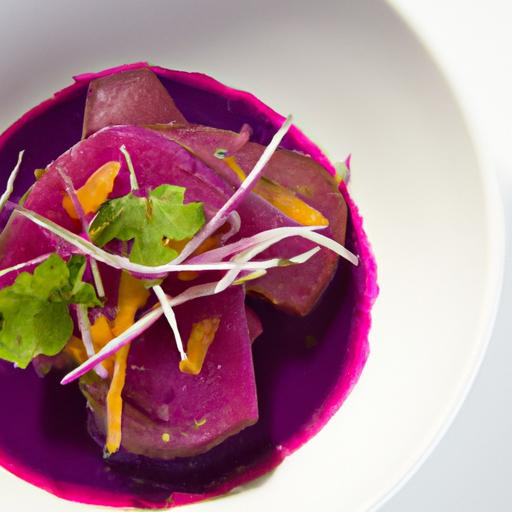

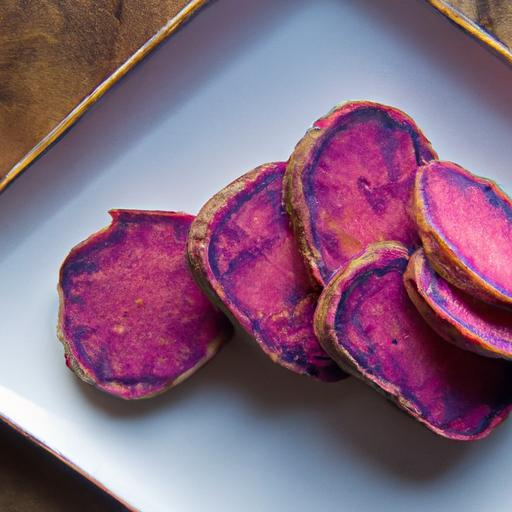
In the vibrant tapestry of nature’s bounty, few treasures shine as brilliantly as the purple yam. This striking root, wiht its rich violet hue adn subtly sweet flavor, is more than just a visually captivating ingredient-it’s a powerhouse of nutrition and cultural heritage. Often overshadowed by more familiar superfoods, the purple yam is quietly weaving its way into kitchens and menus around the world, celebrated not only for its unique taste but also for its remarkable health benefits. Join us as we unveil the story of this natural marvel,exploring how the purple yam is transforming culinary traditions and fueling wellness journeys alike,one vivid bite at a time.
Purple yam captivates with its rich color and earthy sweetness, instantly elevating any dish it graces. originating from Southeast Asia, this superfood treasure has inspired countless culinary creations for generations, from filipino ube halaya to creative vegan desserts worldwide. Its vibrant hue isn’t just for show – the natural antioxidants and nutrients packed into purple yam make it both a feast for the eyes and a boon for your wellbeing.
Prep and Cook Time
Preparation: 15 minutes Cooking: 45 minutes Total: 1 hour
Yield
serves 6 generous portions
Difficulty level
Medium
Ingredients
- 2 cups purple yam (ube), peeled and diced
- 1 cup coconut milk, full-fat
- 1/2 cup granulated sugar
- 1/4 cup unsalted butter, melted
- 1 tsp vanilla extract
- Pinch of sea salt
- 1/4 cup evaporated milk (optional, for creamier texture)
- toasted coconut flakes or chopped pistachios, for garnish
Instructions
- Steam the purple yam pieces over boiling water for about 30 minutes or until tender when pierced with a fork. This step preserves the vibrant color and flavor. Alternatively, boil in a pot with just enough water to cover, but avoid overcooking to prevent mushiness.
- Drain and let cool slightly. Transfer the yam to a mixing bowl and mash with a potato masher or fork until smooth but still with some texture for a rustic finish.
- In a medium saucepan, combine mashed purple yam, coconut milk, sugar, melted butter, and salt. Cook over medium-low heat, stirring constantly to prevent sticking. This gentle simmer will help the flavors meld beautifully.
- Stir in the vanilla extract and evaporated milk (if using), continuing to cook for an additional 5-7 minutes until the mixture thickens to a creamy consistency.
- Remove from heat and let cool to warm. The texture should be thick enough to hold shape but still spreadable.
- Transfer to serving dishes and garnish with toasted coconut flakes or chopped pistachios for a delightful crunch and contrast in color.
- Serve warm or chilled. this versatile purple yam preparation can be enjoyed as a dessert, a side dish, or even a spread on toasted bread.
Chef’s Notes
- Texture Tips: For a silkier finish, pass the mashed purple yam through a fine sieve before cooking.
- Sweetener Swaps: Coconut sugar or honey can substitute for granulated sugar adding a deeper caramel flavor.
- Dairy-Free Version: Use coconut oil rather of butter and skip evaporated milk for a fully vegan dish.
- Make Ahead: This dish keeps well refrigerated for up to 4 days. Gently reheat with a splash of coconut milk to restore creaminess.
Serving Suggestions
Present your purple yam creation in colorful bowls or clear glass ramekins to showcase its stunning lavender hue. Complement with a dollop of whipped coconut cream,fresh berries,or a sprinkle of toasted nuts for an added layer of flavor and texture.
Pair with a fragrant cup of jasmine tea or a lightly sweetened iced matcha to balance the dish’s natural richness. Whether as a celebratory dessert or a nutritious snack,purple yam’s vibrant color and comforting flavor promise to enchant every palate.
| Nutrient | Amount per Serving |
|---|---|
| Calories | 180 kcal |
| Protein | 2.5 g |
| Carbohydrates | 38 g |
| Fat | 5 g |

Q&A
Q&A: Purple Yam – Nature’s Vibrant Superfood Treasure Unveiled
Q1: What exactly is a purple yam?
A1: The purple yam, also known as Dioscorea alata or ube, is a tuberous root vegetable renowned for its striking violet hue and naturally sweet flavor. Unlike its orange cousin, the sweet potato, the purple yam boasts a unique nutty taste and a creamy texture, making it a beloved ingredient in many culinary traditions, especially in Southeast asia.
Q2: Why is the purple yam called a “superfood”?
A2: Purple yam earns its superfood status due to its impressive nutritional profile. It’s loaded with antioxidants, notably anthocyanins, which give it that vibrant purple shade and help combat oxidative stress. Rich in dietary fiber, vitamins C and B-complex, and essential minerals like potassium and manganese, purple yam supports heart health, boosts immunity, and promotes digestive wellness.
Q3: How does the color of purple yam benefit our health?
A3: The vivid purple color is not just a feast for the eyes – it signals a powerhouse of antioxidants called anthocyanins. These compounds help reduce inflammation, improve cognitive function, and may lower the risk of chronic diseases such as diabetes and cancer. Consuming purple yam is like inviting a splash of natural brilliance and protection onto your plate.
Q4: Can purple yam be incorporated easily into everyday meals?
A4: Absolutely! Purple yam is incredibly versatile. It can be boiled, mashed, baked, or steamed. Its sweet, earthy flavor complements smoothies, desserts, breads, and even savory dishes like stews or curries. From vibrant ube ice cream to hearty purple yam fries, creativity is the only limit.
Q5: are there environmental benefits to choosing purple yam?
A5: Yes! Purple yams tend to thrive in diverse soil conditions with relatively low agricultural inputs, making them a more sustainable crop compared to some staples. Their cultivation supports biodiversity and local farming communities, especially in tropical regions, while offering a nutrient-dense option to more resource-intensive foods.
Q6: How can beginners start exploring purple yam in their diet?
A6: Start simple! Try roasting chunks with your favorite herbs for a colorful side dish or blend cooked purple yam into your morning smoothie for natural sweetness and a gorgeous hue. Many grocery stores now carry frozen or powdered purple yam, making it easy to experiment. As you get adventurous, dive into conventional recipes like Filipino ube halaya or Hawaiian poi variations.
Q7: Any tips on selecting and storing purple yam?
A7: Look for firm, blemish-free tubers with vibrant skin color. Avoid yams that feel soft or shriveled. Store them in a cool, dry, and dark place-refrigeration is not ideal as it can alter texture. properly stored, they can last several weeks, ready to brighten your meals with their natural flair.
Discovering purple yam is like uncovering a gem from nature’s palette – an edible jewel that nourishes both body and soul with its radiant color and rich nutrition. Ready to welcome this vibrant superfood treasure into your kitchen?
Future Outlook
As we peel back the layers of the humble purple yam, it’s clear that this vibrant root is far more than just a striking hue on our plates-it’s a powerhouse of nutrients, cultural heritage, and culinary possibility.From ancient traditions to modern superfood status, the purple yam stands as a colorful testament to nature’s ingenuity. Whether roasted, mashed, or blended into a smoothie, this versatile treasure invites us to embrace a healthier, more flavorful journey. So next time you seek a nutrient-packed boost with a splash of natural brilliance,remember the purple yam-a true gem in the tapestry of superfoods waiting to brighten your table and nourish your body.